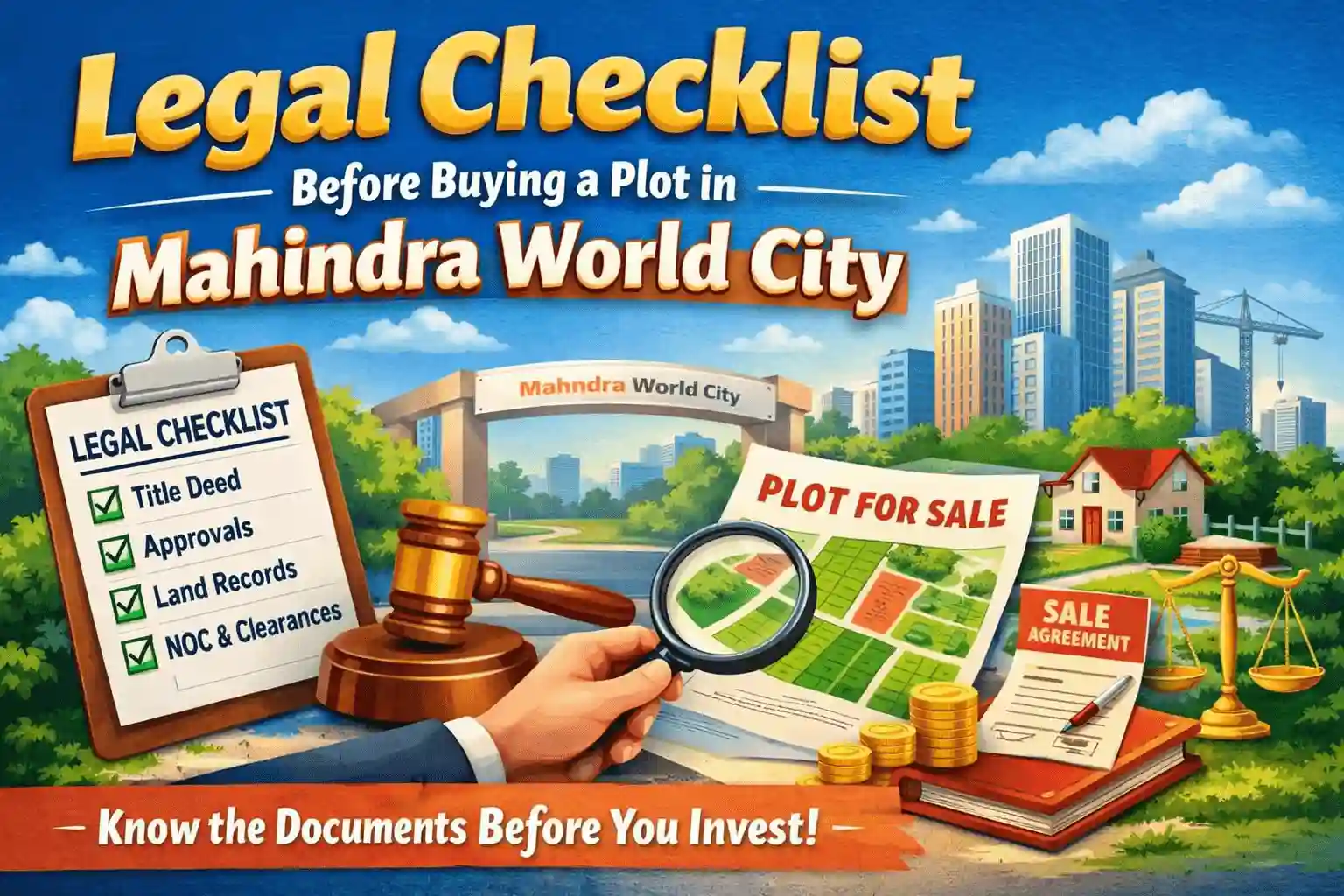
Legal Checklist Before Buying a Plot in Mahindra World City
Buying a plot is a big financial step. It is not just about finding the right location or size. The legal side of the deal is just as important, maybe even more. A beautiful plot with legal problems can turn into a huge headache. This is especially true when you are looking at well-known projects like Mahindra World City Plots. The developer, Mahindra Lifespaces, is a trusted name. But you should still do your own homework. This guide gives you a simple legal checklist. It will help you buy your plot with confidence and peace of mind.
Why a Legal Check is a Must Before You Buy
Think of a legal check as a health test for the property. It makes sure the land is healthy and free from disease. Without it, you might buy a plot that has hidden problems. These could be things like a dispute over who owns the land, unpaid loans on it, or missing approvals to build a home. If you skip these checks, you could lose your money or get stuck in court for years. A thorough legal check protects your hard-earned money. It makes sure the property is safe to buy.
Verify RERA Approval
RERA stands for the Real Estate Regulatory Authority. It is a government body that protects home buyers. Every new real estate project must be registered under RERA. This is the first and most important check you must do. RERA approval means the project is legal. The developer has shared all project details with the government. This includes the layout plan, the timeline for completion, and all approvals.
You can find the RERA number for the specific Mahindra World City project you are looking at. Then, visit the official RERA website of that state (like Tamil Nadu for Chennai, or Rajasthan for Jaipur). Search for the project using its RRA number. You will see all the approved details there. If a project is not RERA registered, do not buy it. It is a major red flag.
Check the Land Title
The land title is the legal document that proves who owns the land. You need to make sure the seller (Mahindra Lifespaces) has a clear and marketable title. A "clear title" means there are no other people or groups claiming they own the land. It also means there are no legal disputes over it. A "marketable title" means there are no restrictions on selling the land. Your lawyer should check the chain of title documents. This goes back 30 to 40 years to make sure the ownership history is clean and without any breaks.
Look at the Encumbrance Certificate (EC)
An Encumbrance Certificate is a record of all transactions related to a piece of land. It is like a diary for the property. It lists all sales, mortgages, and gifts registered against the land. You should ask for the EC for the last 30 years. A "clean" EC will show no loans or legal claims on the land. If the EC shows an outstanding loan, the developer must clear it before selling you the plot. This certificate proves the land is financially free and clear.
Approved Layout Plan
The developer cannot just divide the land into plots in any way they want. The layout plan must be approved by the local town planning authority. For example, in Chennai, this might be the Chennai Metropolitan Development Authority (CMDA). This approved plan shows the exact size of each plot, the width of the roads, and the spaces for parks, schools, and other amenities. Buying a plot in an unapproved layout is very risky. The local body may not provide water or sewage lines. You might also not be able to get a building permit later. Always check the stamp of approval on the layout plan.
Commencement Certificate (CC)
The Commencement Certificate is the license that allows the developer to start construction. For a plotted development, this means they can start work on the internal roads, drainage, and electricity lines. It is issued by the local municipal authority. It proves that the developer has met all the initial conditions to begin the project. Make sure the project has a valid Commencement Certificate.
Other Local Authority Approvals
Besides the layout plan and CC, there are other important nods from the government. These can include environmental clearances and no-objection certificates from the pollution control board. These approvals ensure the project follows all rules. You can often find a list of these approvals in the project's RERA filing.
Here is a simple table to summarize the key approvals you should check for:
| Approval / Document |
What It Does |
Issuing Authority |
| RERA Registration |
Registers the project with the government, ensuring transparency. |
State RERA Authority |
| Land Title Deeds |
Proves the developer's ownership of the land. |
Sub-Registrar Office |
| Encumbrance Certificate |
Shows the land is free from financial dues or legal claims. |
Sub-Registrar Office |
| Approved Layout Plan |
Shows the official map of the project, approved by the town planning body. |
Local Development Authority (e.g., CMDA, DTPC) |
| Commencement Certificate |
Gives the developer permission to start work on the project. |
Local Municipal Authority |
Understand the Sale Agreement and Sale Deed
There are two main documents you will sign. The first is the Agreement for Sale. You sign this when you book the plot and start the payment process. This agreement lists all the terms and conditions. It includes the total price, the payment schedule, the date you will get possession, and what happens if there is a delay. Read this very carefully. The second document is the Sale Deed. This is the final and most important document. It is signed when you pay the full amount. The Sale Deed legally transfers the ownership of the plot from Mahindra Lifespaces to you. This document must be registered at the sub-registrar's office.
Get Help from a Legal Expert
Do not try to do all this on your own. Property laws can be complex. It is always a smart move to hire an independent lawyer who specializes in real estate. They will have the experience to spot problems you might miss. Your lawyer will visit the government offices to verify all the documents. They will check the title, the EC, and all the approvals. They will also explain the sale agreement to you in simple words and suggest changes if needed. The small fee you pay a lawyer is the best insurance for your investment.
Final Thoughts
Buying a plot in a prestigious project like Mahindra World City is exciting. The brand name of Mahindra Lifespaces offers a lot of trust. But even with a great developer, following this legal checklist is a must. It turns a big financial decision into a safe and happy one. It gives you the power to ask the right questions and understand the answers. By checking RERA, the land title, the EC, and all approvals, you are protecting your future. Take your time, do your research, and get expert help. This way, your dream of owning a piece of land will be secure and problem-free for years to come.